Focused arrival windows
Useful updates and clear arrival timing.
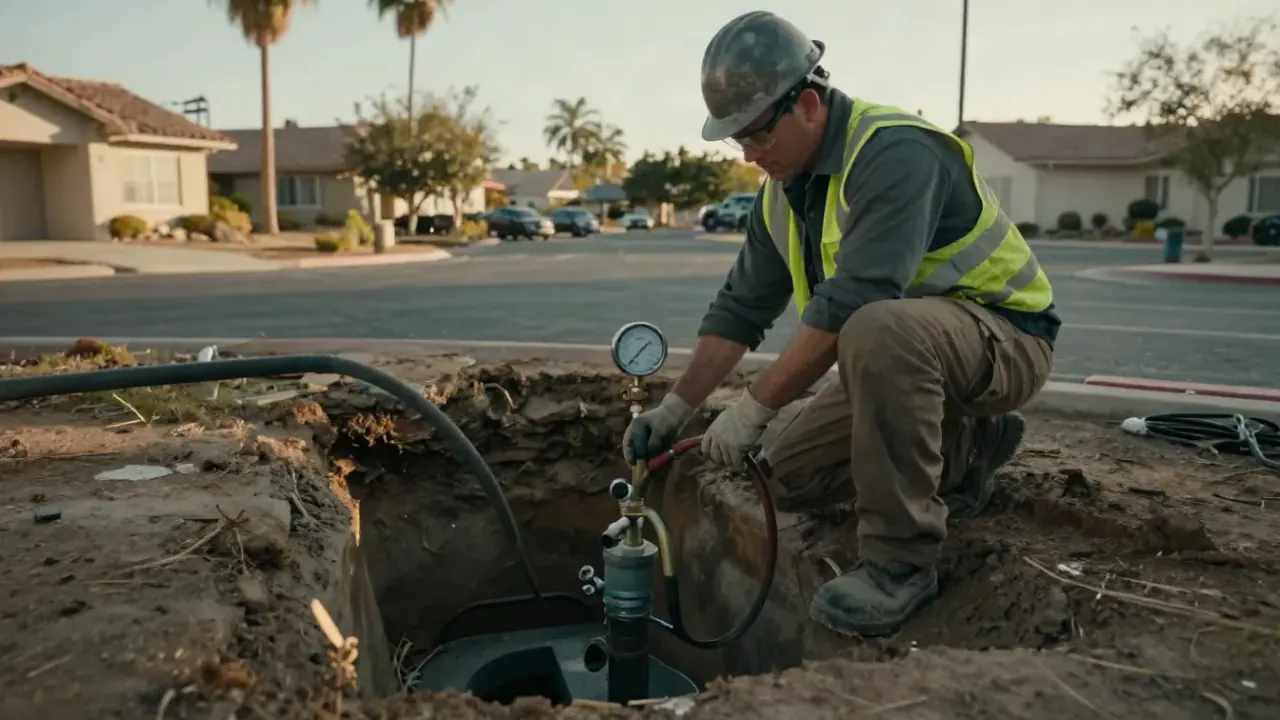
Sewer Line Repair in Beach Boulevard Corridor means fixing the pipe under the strip without tearing up your parking lot. We run a sewer camera from the Garden Grove Blvd intersection to Beach Blvd north, find the root intrusion or bellied pipe, and repair it trenchless. Licensed, bonded, and working Orange County every week.
Useful updates and clear arrival timing.
Review the approach and price before deciding.
Equipped vehicles and respectful cleanup.
Neighbors serving neighbors with follow-through.
Sewer Line Repair in Beach Boulevard Corridor is the work of keeping an aging pipe network running under one of Orange County's busiest commercial strips. We serve the restaurants, retail centers, and mixed-use buildings from Beach Blvd north down to Beach Blvd south, plus the residential blocks feeding into the Garden Grove Boulevard intersection and the Chapman Avenue area. The corridor's sewer laterals are older than most of the buildings sitting on top of them, and the mature street trees lining Beach Boulevard send roots straight into the joints. That combination produces the calls we run every week: grease blockages behind restaurant row, root intrusion in the residential pockets, and offset pipe where decades of traffic have shifted the soil. We handle all of it with trenchless methods first, so you keep your parking and your customers keep their access. From ZIP 90680 to 92843, our crews know which laterals tie into the county main and which ones share a connection with the neighboring unit.
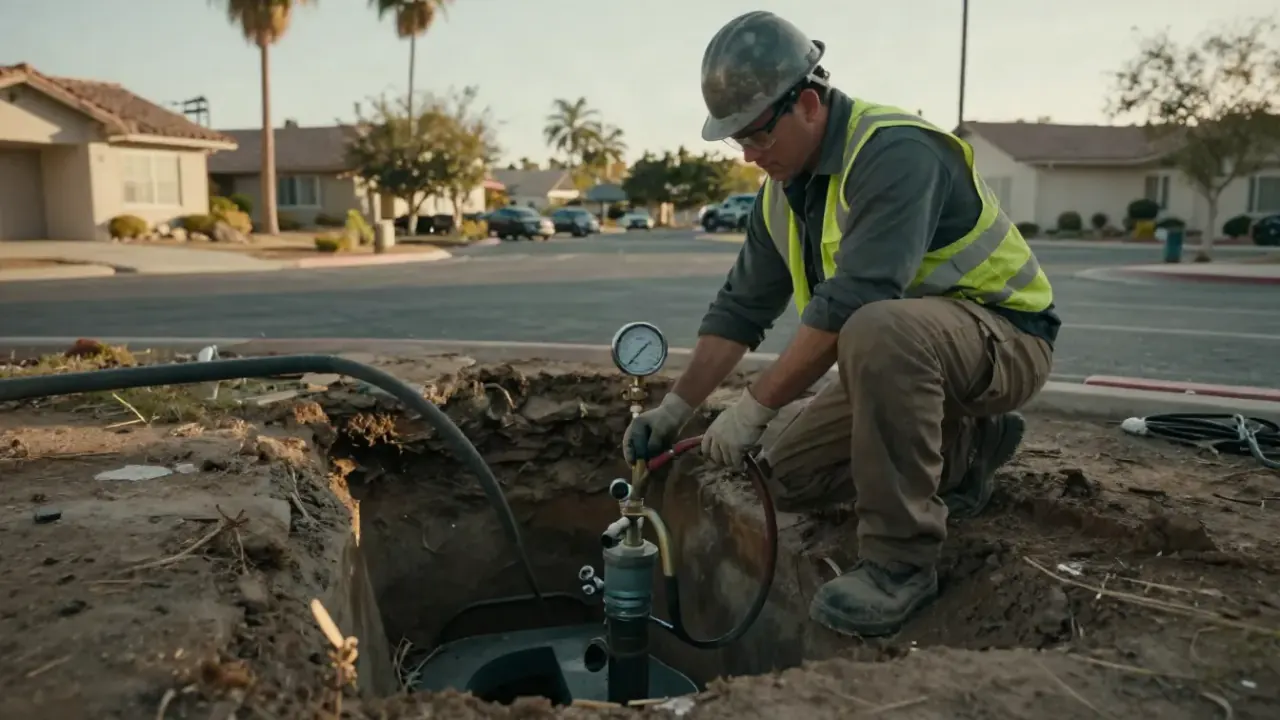
Every service we offer gets used somewhere along Beach Boulevard Corridor, and the mix depends on what's underground. Restaurants on the commercial strip need hydro-jetting and grease control. The older residential blocks off Garden Grove Boulevard need root cutting and spot repairs. Property managers preparing a building for sale need a sewer camera inspection they can hand to a buyer. If you've been searching for affordable sewer line repair in Beach Boulevard Corridor near me, start with the camera. It tells us which of these services you actually need.
Trenchless repair keeps the Beach Boulevard commercial strip open while we work. We use pipe bursting and CIPP lining to replace or restore failing laterals under parking lots and sidewalks without trenching the surface. Most residential laterals in ZIP 90680 finish in one day, and commercial jobs get scheduled around your operating hours.
View service →02CIPP lining restores cracked and corroded pipe from the inside, which suits the older clay and cast iron laterals common in the Chapman Avenue area. We invert an epoxy-saturated liner through the pipe, cure it, and leave you with a smooth new interior that resists root intrusion and grease buildup. No digging, no replaced landscaping.
View service →03When a lateral under Beach Blvd south is collapsed or too far gone for lining, pipe bursting pulls a new HDPE pipe through the old one. We dig only two small access pits, which matters when the line runs under a parking lot or a mature street tree. This is our go-to for full replacement on the corridor's older clay lines.
View service →04A single cracked joint or a localized root entry point doesn't always mean full replacement. We cut out the damaged section, install a new coupling or Fernco fitting, and test the line before we backfill. Spot repairs are common in the mixed-use buildings along the corridor where one shared lateral serves several units.
View service →05We push a RIDGID sewer camera through the lateral and record the whole run, marking depth and location with a pipe locator. On Beach Boulevard Corridor properties, this is how we tell a grease blockage apart from a collapsed pipe before anyone quotes you a replacement. You get the footage and a written findings summary.
View service →06The mature street trees along Beach Boulevard send roots into every open joint they find. We cut them out with a root cutter head on the hydro-jetter, then either line the pipe or spot-repair the joint so they can't come back through the same gap. Root killer alone won't fix a joint that's already separated.
View service →07A backup at a restaurant on the commercial strip is an emergency, not a next-week appointment. We respond 24/7, jet the line, camera it, and find the actual cause before we leave. If the blockage is grease, we tell you what to change. If it's a broken pipe, we quote the repair on the spot.
View service →08Buyers and sellers along the corridor need a lateral inspection they can rely on. We camera the full run, check for root intrusion, bellied pipe, and offset joints, and document everything with video and depth readings. Real estate agents in the 92843 ZIP use our reports because they hold up when a buyer asks for repairs.
View service →09Decades of traffic over Beach Boulevard Corridor have shifted the soil, and shifted soil sags pipe. A bellied section holds water and debris, which reads as a chronic blockage. We locate the low spot with the camera, then repair it by spot replacement, lining, or pipe bursting depending on how much of the run has moved.
View service →Sewer Line Repair Beach Boulevard Corridor CA jobs follow California code and Orange County health requirements, and the corridor adds its own logistics. Parking is the first constraint. On the commercial strip, we stage equipment in a single space and run hose to the cleanout, which keeps your lot usable. On residential blocks off Garden Grove Boulevard, we check for shared laterals before we start, because a repair on one side of a duplex can affect the neighbor's line. We pull permits through the city when the work requires it and keep our California contractor license C-36 current. Weather matters less here than soil. The corridor sits on ground that has been graded and re-graded for decades, and that fill moves. We camera every line before quoting, so the repair matches what's actually underground. If you need same-day sewer line replacement in Beach Boulevard Corridor, call before noon and we can often camera and repair in one visit.
Commercial kitchens along the strip send fats, oils, and grease into laterals that were sized for residential use. The buildup narrows the pipe over months, then closes it suddenly during a dinner rush. We hydro-jet with a commercial-grade unit and a grease-cutting nozzle, then camera the line to confirm we cleared the full run. For recurring accounts, we set a jetting schedule that matches your kitchen's volume so the line never gets close to closing again.
The trees lining Beach Boulevard are older than most of the pipe beneath them. Their roots find open joints and hairline cracks, then expand inside the pipe until flow drops or stops. We cut the roots with a root cutter head, then repair the joint that let them in. Cutting alone buys you a year or two. Lining or spot-repairing the joint is what stops the same root from returning through the same gap.
Several units in the corridor's mixed-use buildings tie into one lateral. A blockage or break affects every unit at once, and it's not always obvious which fixture is causing it. We camera from the main back toward the building and map each connection. That tells us whether the problem is in the shared run or one unit's branch. We fix the actual source instead of jetting the whole line and hoping.
Sewer line repair in California requires a licensed plumbing contractor. We hold the C-36 classification, which covers the lateral work we do along the corridor. Ask any contractor you're considering for their license before they start digging.
Food service establishments on the commercial strip must control grease discharge to the sewer. That affects how we jet and maintain restaurant laterals, and it's why we document what we remove from a grease-blocked line.
Our camera inspections follow the NASSCO PACP coding standard, so the footage and findings use the same defect codes that municipal and county reviewers recognize. That matters on real estate transactions and permit submittals.
The sewer problems we see along Beach Boulevard Corridor come from a specific combination: older pipe, heavy commercial use, mature street trees, and soil that has moved under decades of traffic. Here are the four we run into most, and how we handle them.
The commercial strip's kitchens send fats, oils, and grease into laterals that were sized for residential flow. Over months, the grease coats the pipe walls and narrows the opening until it closes during a busy service. We hydro-jet with a grease-cutting nozzle and camera the line afterward to confirm the full run is clear. For recurring accounts, we set a maintenance schedule based on your kitchen's volume so the line never gets close to closing again.
The trees lining Beach Boulevard are older than the pipe beneath them. Their roots find hairline cracks and open joints, then expand inside the pipe. Cutting the roots clears the line, but the open joint remains until it's repaired. We cut the roots with a root cutter head, then repair the joint that let them in. Lining or spot-repairing the joint is what stops the same root from returning. Root killer alone won't fix a separated joint.
Decades of traffic over the corridor have shifted the soil, and shifted soil sags pipe. A bellied section holds water and debris, which reads as a chronic blockage. Offset joints catch waste the same way. We locate the low spot or offset with the camera, then repair it by spot replacement, CIPP lining, or pipe bursting depending on how much of the run has moved. We re-grade the repaired section so it drains properly.
The original clay laterals in the residential pockets off Garden Grove Boulevard have been in the ground for decades. Clay cracks, shifts, and eventually collapses, especially where roots have widened the joints over time. When a clay lateral is too far gone for lining, we replace it with HDPE pipe using pipe bursting. That means two small access pits instead of a full trench, which protects driveways, landscaping, and the mature trees that caused the problem.
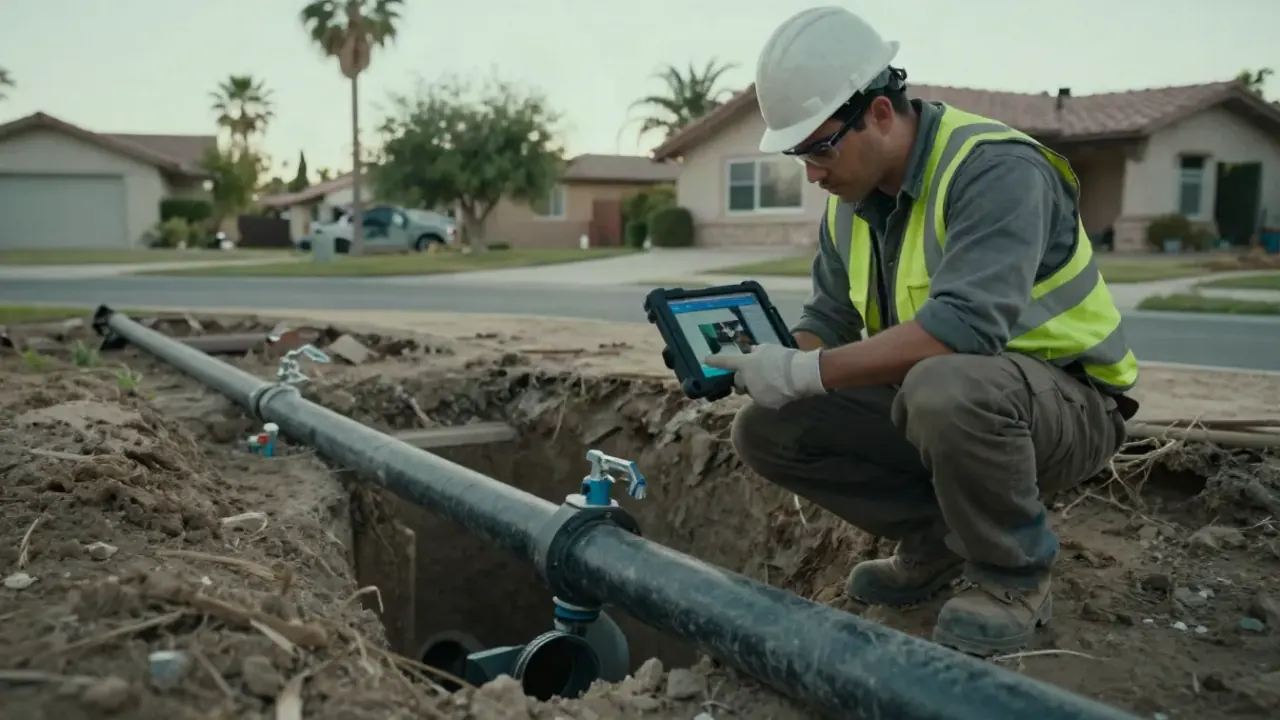
Typical 2026 pricing for sewer line repair in this area runs $180 to $450 for a camera inspection and spot repair, and $4,500 to $12,000 for a full trenchless replacement, depending on length and depth. Commercial laterals on the strip run higher because of access and pipe size. The biggest cost driver is whether we can repair the pipe or have to replace it. A camera inspection answers that question for a few hundred dollars, which is why we start there. We quote the work before we start, and the price you hear is the price you pay.
A spot repair on a single cracked joint costs a fraction of a full replacement. The camera tells us which one you need. On the corridor's older clay laterals, we find more repairable sections than most homeowners expect, which keeps the bill down.
Deeper laterals and tight access raise the cost. On the commercial strip, staging in a single parking space and running hose to the cleanout takes longer than a residential job with an open yard. We factor that into the quote, not the invoice.
Clay and cast iron laterals common in the Chapman Avenue area cost more to repair than newer PVC. Longer runs under parking lots or mature trees also add cost, because pipe bursting requires two access pits instead of one.
We orient our crews by the landmarks along the corridor, because giving directions by cross-street alone doesn't work when every block looks the same. Stanton Central Park, the Beach Boulevard commercial strip, and the Garden Grove Boulevard intersection are the three anchors we use most. When you call, tell us the nearest landmark and we'll find you faster.
Stanton Central Park is a reliable orientation point for the residential streets west of Beach Boulevard. When a caller mentions the park, we know which side of the corridor they're on and which access route avoids the commercial traffic.
The commercial strip is the spine of the corridor. Knowing whether a job is on the north or south end of the strip tells us how to stage equipment and which cross-street to use for access.
Garden Grove Boulevard crosses Beach Boulevard at a busy intersection with multiple commercial properties. It's a common reference point for callers and a useful staging area for jobs in the surrounding blocks.
The Little Saigon area sits just west of the corridor and shares the same commercial character and older sewer infrastructure. Callers from that side of Beach Boulevard use it as their reference point, and we route accordingly.
The strip is a high-traffic retail and restaurant corridor running north-south through Stanton. It's the commercial center of the area, with a dense mix of food service, retail, and service businesses sharing older sewer infrastructure.
The Little Saigon area is a dense commercial and residential district just west of Beach Boulevard, known for its restaurants and markets. Its sewer laterals face the same grease and root pressures as the corridor itself.
Beach Boulevard is State Route 39, the main north-south artery through the corridor. Our crews use it for access but plan around peak commute hours when staging jobs on the strip.
Garden Grove Boulevard is the main east-west crossing through the corridor. It gives us a second access route when Beach Boulevard is congested, which matters on emergency calls.
Beach Boulevard Corridor isn't one neighborhood, it's a string of them, and the sewer problems change block to block. Here's how we break it down and what we typically find in each area.
The northern stretch is mostly commercial and mixed-use, with restaurants and retail sharing laterals that see heavy daily volume. Grease blockages and root intrusion from the street trees are the two calls we run most here. Parking access is tight, so we stage in one space and work fast. We reach Beach Blvd north in under 20 minutes from our Stanton base, faster outside peak traffic.
South of the corridor, the mix shifts toward older residential and small multi-family buildings. The clay laterals here are original to the lots, and many have bellied or offset over the decades. Camera inspection before any repair is standard for us on this stretch. Beach Blvd south is a short run down the corridor, typically 15 to 25 minutes depending on traffic.
The area around the Garden Grove Boulevard intersection has a concentration of older commercial buildings with shared sewer connections. When one line backs up, several tenants feel it. We map the connections first so the repair targets the right pipe. We're usually on site at the Garden Grove Blvd intersection within 20 minutes of a call.
The Chapman Avenue area has a mix of single-family homes and small apartment buildings, many with mature landscaping. Tree root damage to laterals is common, and so are spot repairs where a single joint has failed but the rest of the pipe is sound. Chapman Avenue area runs 15 to 25 minutes from our shop, depending on Beach Boulevard traffic.
These are real jobs from the corridor and the blocks around it. They show what we find, how we fix it, and what it costs when the work is done right the first time.
A restaurant on the Beach Boulevard commercial strip had repeat backups every few weeks despite regular jetting. The kitchen was losing service during dinner rush. We cameraed the full lateral and found a bellied section holding grease and debris about 40 feet from the cleanout. Jetting cleared it temporarily, but the sag was the real cause. We spot-repaired the bellied section with a new PVC coupling and re-graded the run. No backups in the following months. The restaurant dropped from monthly jetting to a quarterly maintenance schedule, cutting its annual sewer spend roughly in half.
A duplex near the Garden Grove Boulevard intersection had sewage backing into both units. The owner suspected a collapsed shared lateral but didn't know which side was failing. We cameraed from the main back toward the building and mapped both units' connections. The shared run was intact, but one unit's branch had a root-blocked offset joint. We cut the roots, spot-repaired the joint, and lined the branch to close the entry point. Both units cleared the same day. The repair cost a fraction of a full lateral replacement, and the liner stopped the roots from returning through the same joint.
A homeowner on the Chapman Avenue area had slow drains throughout the house and a soggy patch in the front yard. A previous contractor quoted a full replacement without cameraing the line. We ran a sewer camera and found a single cracked joint with root intrusion, not a collapsed pipe. We cut the roots, replaced the cracked section with a Fernco coupling, and tested the line under pressure before backfilling. The repair finished in under four hours and cost well below the replacement quote. The homeowner avoided unnecessary excavation and the yard patch was restored the same day.
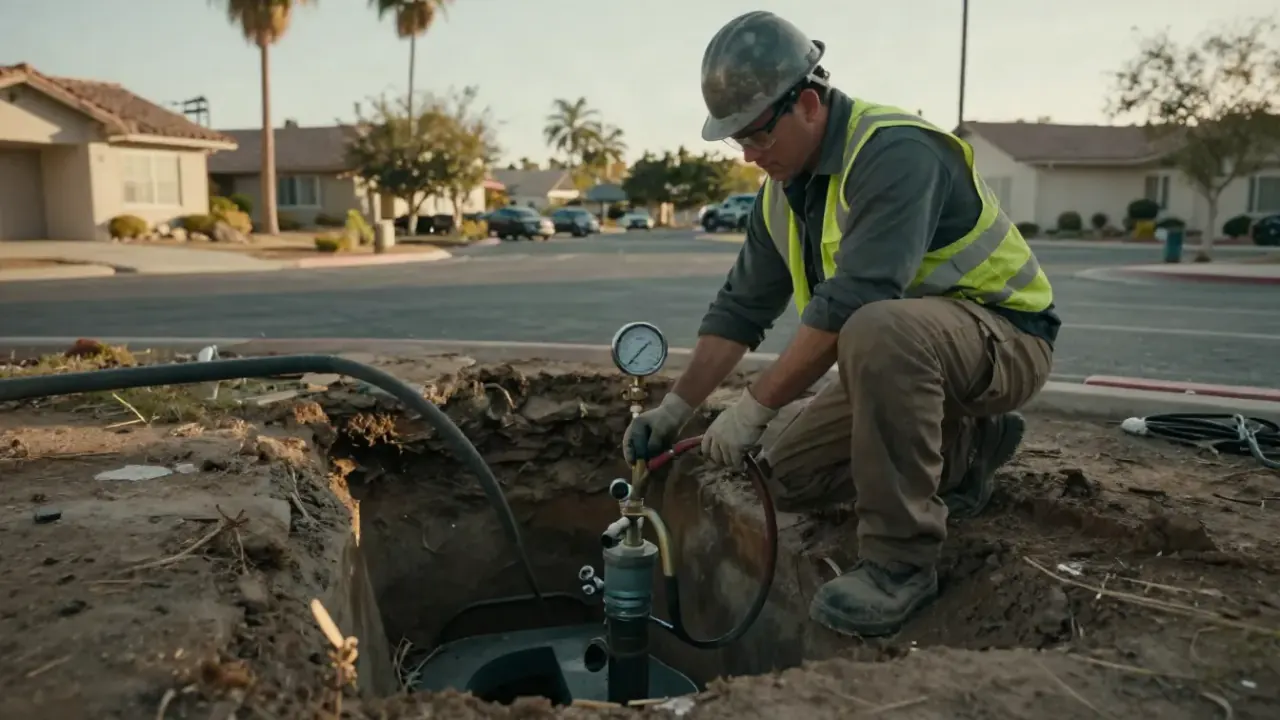
Our restaurant on the Beach Boulevard strip was backing up every Friday night. These guys cameraed the line, found a bellied section the previous plumber missed, and fixed it without closing our parking lot. They worked around our dinner service and finished before we opened. No backups since.
We had sewage backing into both units of our duplex near the Garden Grove Boulevard intersection. They mapped the shared lateral, found the actual problem in one branch, and repaired it the same day. The price was fair and they explained everything before starting. I'd call them again without hesitation.
Called about slow drains and a wet spot in the yard off Chapman Avenue. They cameraed the line, showed me the cracked joint, and repaired it in a few hours instead of quoting a full replacement like the last company did. Clean work, fair price, and they tested the line before they left.
Southern California doesn't freeze, but the seasons still change what we see along the corridor. Fall and winter bring root activity and heavier commercial volume. Spring and summer bring soil movement and dry-weather backups. Here's what to expect through the year.
Spring is when root intrusion calls pick up along Beach Boulevard. Trees push new growth, and roots already inside a lateral expand with the season. Slow drains that started in winter often turn into full blockages now.
Summer is peak season for the commercial strip, which means peak grease volume. Restaurant laterals take the heaviest load of the year, and backups during dinner service are the most common emergency call we run.
Fall brings the first significant rain in months, and dry soil absorbs it unevenly. That movement can shift already-stressed pipe, and we see a spike in offset and bellied pipe calls. Leaves and debris also find their way into yard drains and cleanouts.
Winter is our busiest season for emergency sewer calls. Rain saturates the soil, roots stay active, and the corridor's commercial volume doesn't slow down. Older clay laterals under saturated ground are the most likely to fail now.
Beach Boulevard Corridor sits in the middle of a service region that stretches across northwest Orange County. We run crews from here into the surrounding cities daily, so if you're just outside the corridor, we can still get to you.
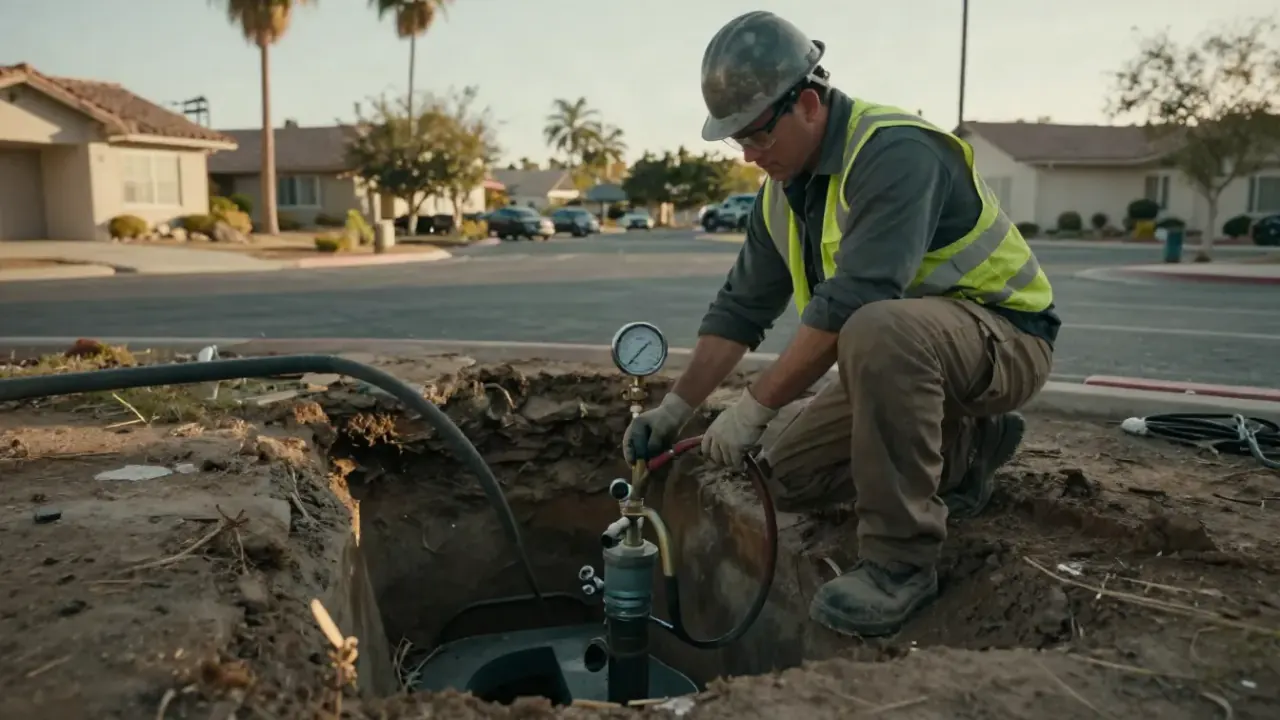
Midway City borders the corridor to the west, and we regularly cross over for residential sewer calls in its older neighborhoods.
Local coverage and detailsThe Katella Avenue Corridor shares the same commercial character as Beach Boulevard, and we serve its restaurants and retail centers with the same equipment.
Local coverage and details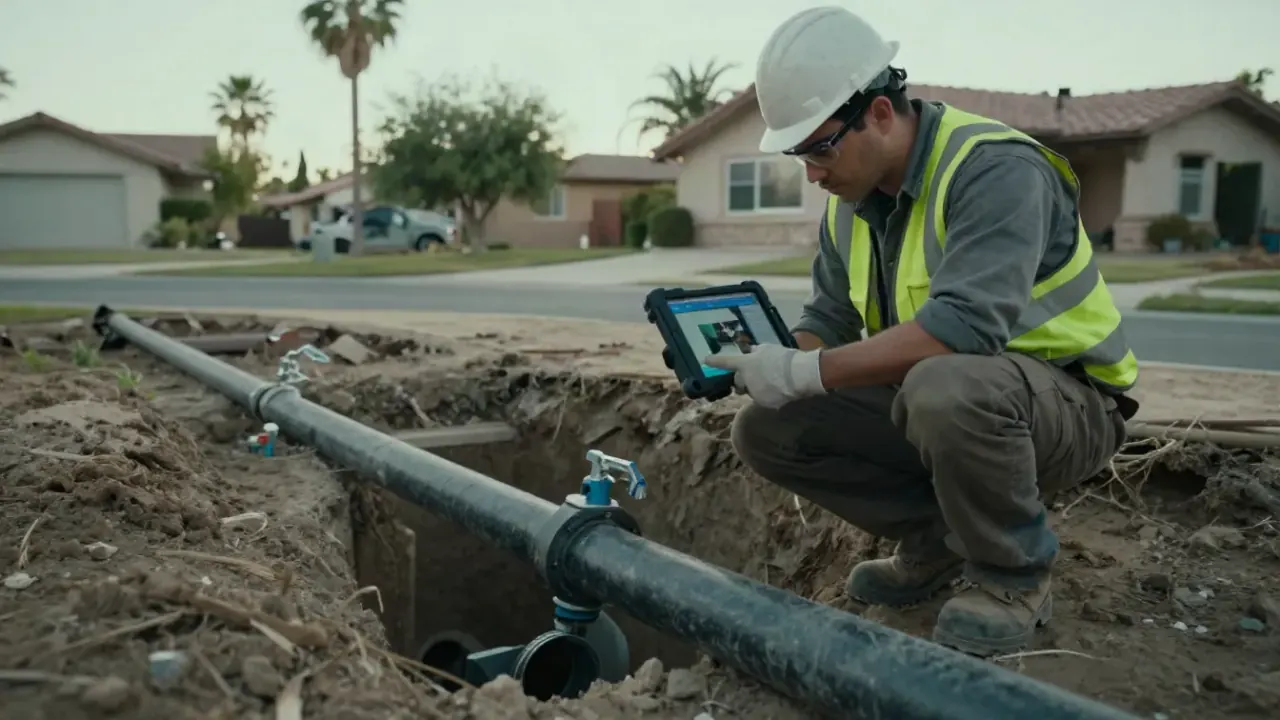
Western Avenue Corridor runs parallel to our service area to the west, and its older residential laterals produce the same root and bellied-pipe calls we handle here.
Local coverage and details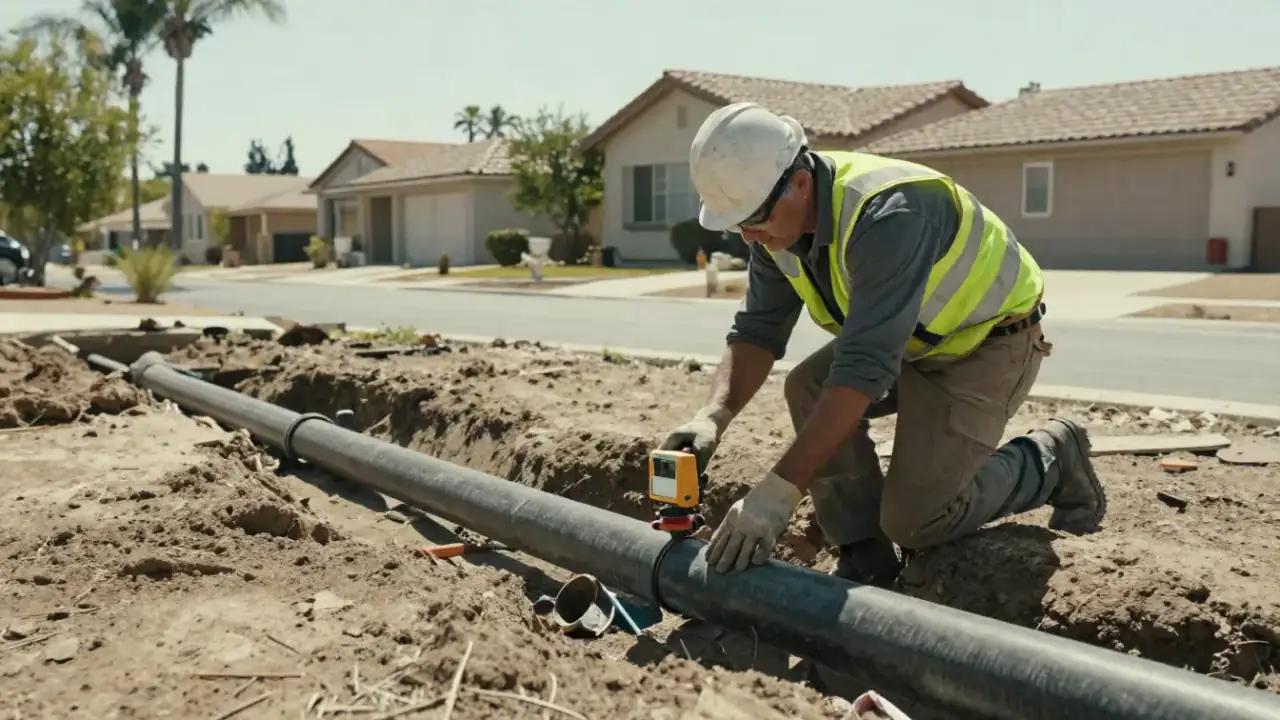
Plaza Pines Estates is a residential pocket just off the corridor, and we handle its sewer lateral inspections and spot repairs on a regular basis.
Local coverage and detailsNot every contractor who answers the phone on Beach Boulevard Corridor does the same work. Some quote replacements without cameraing the line. Some don't carry the right license. Here are the questions that separate a real sewer contractor from a sales pitch.
A camera inspection is the only way to know whether you need a spot repair or a full replacement. A contractor who quotes without one is guessing, and the guess usually costs you more. We camera every line before we quote.
Sewer lateral work in California requires a licensed plumbing contractor. Ask for the license classification, not just a business license. It determines whether the contractor can legally pull permits and whether you have recourse if something goes wrong.
Sewer work involves excavation and confined spaces. If a worker is injured on your property and the contractor isn't covered, that exposure can land on you. Ask for a certificate of insurance before work starts.
A repair that fails in six months should be covered. Ask what the warranty covers and how long it runs. We warranty our work, and we put the terms in writing so there's no dispute later.
Trenchless repair protects your parking lot, driveway, and landscaping. Not every contractor owns the equipment, and some will trench by default because it's easier for them. Ask before you sign, especially on commercial property.
NASSCO
OSHA
OSHA
$2M general liability
member
member
Most spot repairs and camera inspections run $180 to $450, while a full trenchless replacement runs $4,500 to $12,000 depending on length, depth, and access. Commercial laterals on the strip cost more because of pipe size and staging. We quote before we start, so the price you hear is the price you pay.
The right company is the one that cameras your line before quoting, holds a California C-36 plumbing license, and carries insurance. We've built our reputation on the corridor by finding the actual problem instead of defaulting to replacement. Ask any contractor those three questions and compare the answers.
Yes. We answer emergency calls 24/7 for backups, sewage odors, and collapsed lines along the corridor. A restaurant backup on the commercial strip gets priority dispatch because a closed kitchen is a real loss. Call the number and we'll get a crew moving.
You need replacement when the camera shows collapsed pipe, extensive root intrusion through multiple joints, or a long bellied section that can't be re-graded. A single cracked joint or one root entry point usually means a spot repair or lining instead. The camera footage tells you which one you're facing.
Most residential trenchless repairs finish in one day, usually four to eight hours. Commercial laterals on the strip may take two days because of pipe size and access. We schedule around your operating hours when the job is on the commercial corridor, and we test the line before we leave.
Not seeing your question? Our local team can help you understand urgency, scheduling and what to expect.
Ask the local team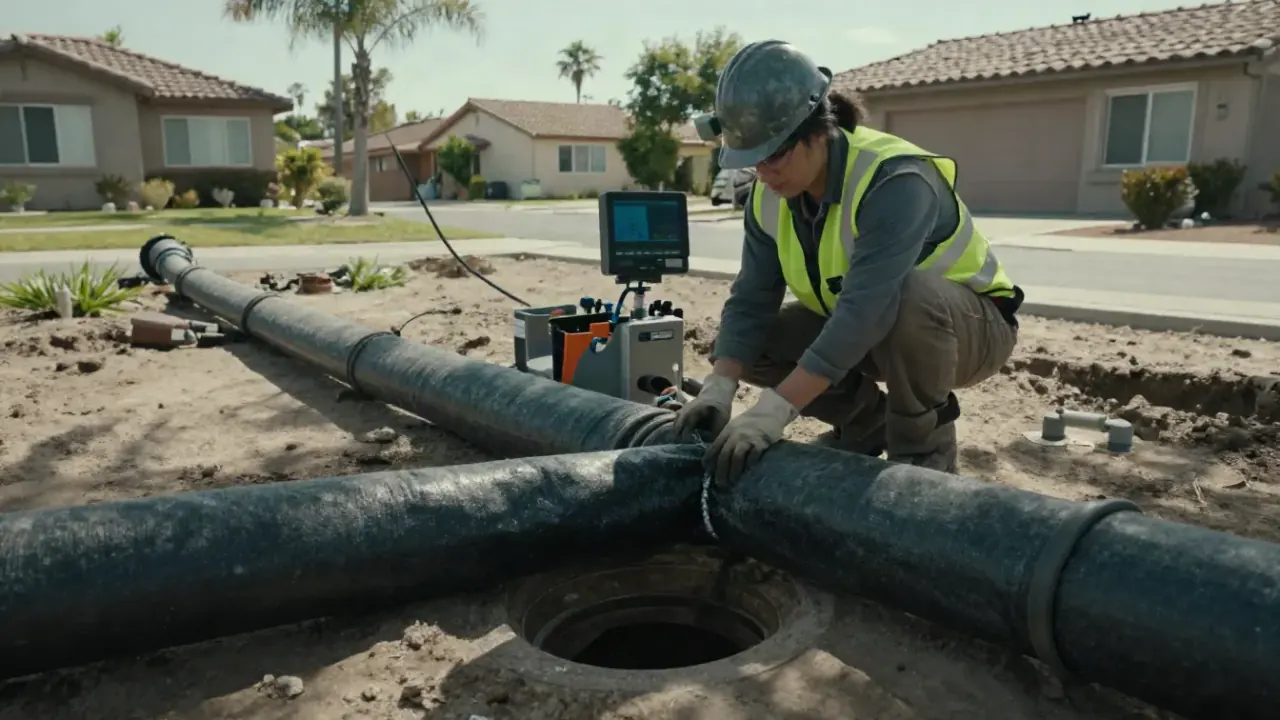
Reach us at (657) 359-9054 for sewer camera inspections, spot repairs, and trenchless replacement across Stanton, California. We answer emergency backup calls 24/7 and book standard inspections Monday through Friday. Tell us your cross streets and what the drains are doing, and we will get a tech out with the camera.